


Bendy's Nightmare Run
Joey Drew Studios
I can tell within the first few runs whether an arcade game respects my time. Bendy's Nightmare Run makes a strong first impression because it gets to the point quickly: I am dropped into a dark cartoon chase, asked to move, dodge danger, and survive long enough to deal with frightening bosses. There is very little ceremony between opening the game and playing it, which is exactly what I want when I have only a few spare minutes.
This is a free arcade game from Joey Drew Studios, built around the Bendy universe’s unsettling animation style. Its appeal is not subtle realism or a large role-playing system. It comes from the contrast between old-fashioned cartoon imagery and threatening situations, combined with the simple pleasure of reacting at speed. I found it easy to understand immediately, but not always easy to master, and that difference gives the short sessions some value.
Why the first few runs work so well
The central idea is clear from the beginning. I run through a nightmare-like cartoon setting, avoid obstacles, and face bosses that give each attempt a stronger sense of purpose than an endless sprint with no destination. The controls are approachable enough for a quick start, while the pressure comes from reading the screen correctly rather than learning a complicated control scheme.
That immediate readability matters on a phone. I do not need to remember a long sequence of commands before I can enjoy a run. The game presents its basic challenge quickly, so it works well when I am waiting for a bus, taking a short break, or looking for something to play between other tasks. A single attempt can feel like a complete little burst of entertainment even when I do not have time to settle in for a longer session.
The visual identity also does more work than decoration. The black-and-ink cartoon atmosphere gives ordinary arcade hazards a distinctive personality, and the bosses make the action feel connected to Bendy’s world rather than like an anonymous score chase. I especially like that the creepy tone does not prevent the game from being readable. The screen can feel busy and threatening, but the broad objective remains obvious: keep moving, react quickly, and avoid losing control of the run.
Related News






New players should expect a game that rewards attention more than patience with tutorials. The basic actions are easy to grasp, but the real learning happens while playing. I gradually became better at noticing the shape of an upcoming threat and deciding whether to react immediately or wait for a safer opening. That makes the early experience friendly without making every later attempt feel automatic.
A good fit for short, interrupted play
My favorite use case is a handful of attempts during a small gap in the day. If I have five minutes before an appointment, I can start a run, understand what went wrong, and try again without needing to rebuild a complicated strategy. The game’s arcade structure supports that kind of stop-and-start routine much better than a story-heavy adventure that expects uninterrupted attention.
It is also suitable for players who enjoy improving through repetition. I do not need to commit to a long campaign to feel progress in my own play. One run teaches me something about timing, another exposes a different mistake, and a later attempt may last longer simply because I have learned to stay calm when the screen becomes more dangerous.
Gallery
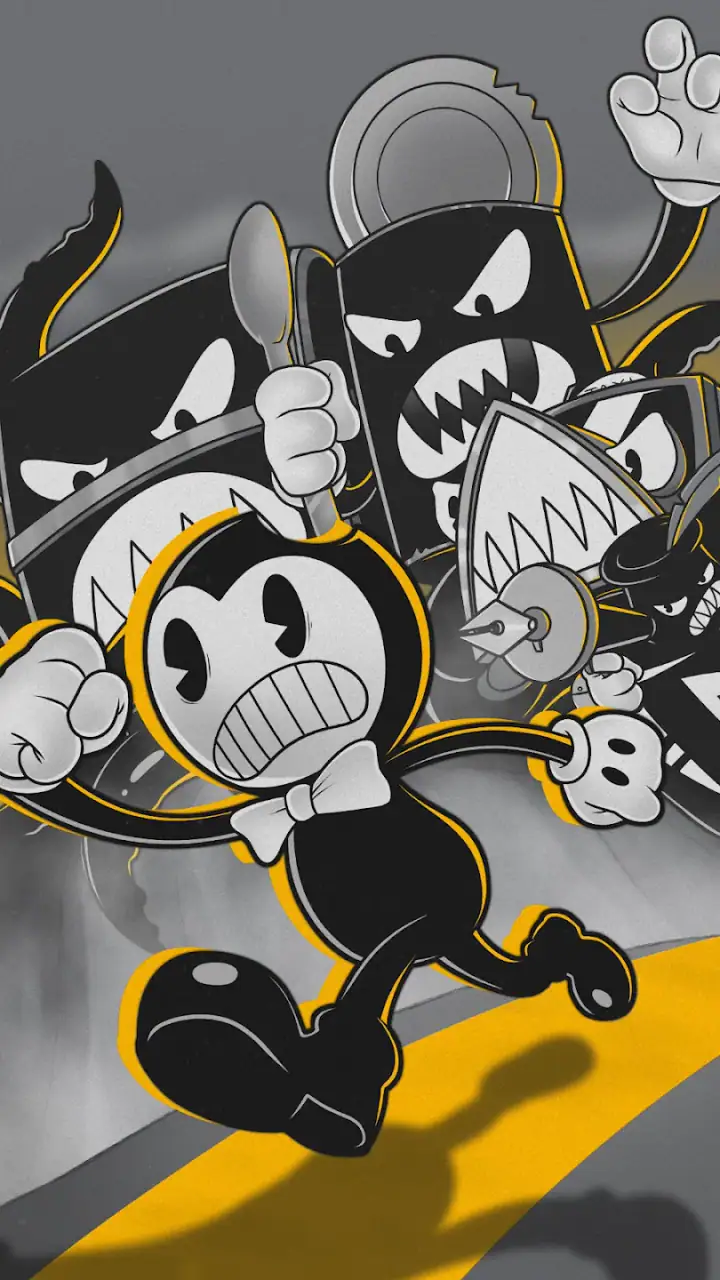
That said, the same simplicity can be a limitation. Anyone looking for deep character customization, a broad narrative, or a large world to explore may find the experience narrow. This is a focused arcade game, not a replacement for a full adventure game. I would choose it for quick reactions and atmosphere, not for a long-form story or elaborate progression.
The rhythm of a run
The strongest part of the design is the rhythm between movement and threat. A run begins with a simple goal, then asks me to keep processing what is ahead while maintaining enough control to respond. When the pressure rises, I am not solving a puzzle in the traditional sense; I am making small decisions quickly. Should I move now, hold my position for a moment, or prepare for the next danger instead of reacting only to the current one?
That rhythm creates a useful distinction between a first attempt and a practiced attempt. At first, I tend to focus on the most obvious obstacle. After a few tries, I start thinking one step farther ahead. I watch the space beyond the immediate hazard and try not to spend all my attention on a single moment. This is one of the game’s more rewarding lessons, because it turns frantic movement into controlled anticipation.
Boss encounters add a welcome change of emphasis. Regular running tests quick recognition and movement, while a boss gives the run a more memorable confrontation. I enjoy that shift because it breaks up the feeling of simply surviving an endless sequence. The bosses also strengthen the horror-cartoon identity, making the game feel more like a Bendy experience than a generic runner with a themed skin.
For the best results, I recommend treating each attempt as a small experiment rather than immediately chasing a perfect run. On one try, concentrate on learning how the screen communicates danger. On the next, focus on conserving attention and avoiding rushed reactions. This approach is more productive than repeating the same movement pattern without thinking, and it helps reveal whether a mistake came from poor timing or from watching the wrong part of the screen.
What happens when real life interrupts
Short-session games are only truly convenient if they tolerate interruptions. In my experience, this one is at its best when I can play in brief bursts, but I would still approach it as an arcade title rather than a game designed around lengthy pauses. A run depends on active reactions, so an interruption during a dangerous moment can ruin the attempt even if I was playing well.
That is not necessarily a flaw. It is part of the tension. The game’s pleasure comes from staying engaged, and a sudden distraction naturally breaks that concentration. The important point is to choose the right moment to play. If I know I may need to answer a message, speak to someone, or put the phone down immediately, I would wait until the current run is over rather than begin a serious attempt.
For casual use, I find it helpful to separate “throwaway” runs from focused runs. A throwaway attempt is something I start while waiting and do not mind losing. A focused run is better saved for a quiet few minutes when I can watch the screen properly. This small habit makes the game feel less frustrating because I am not blaming it for a failure caused by an interruption I already expected.
Players also wondering whether it is suitable for younger children should pay attention to the Teen content rating. The cartoon presentation may look playful, but the nightmare setting, threatening enemies, and horror tone are important parts of the experience. I would not assume that the ink-and-animation style makes it appropriate for every child. For teens and adults who enjoy spooky arcade action, the atmosphere is a major attraction; for players who dislike unsettling imagery, it may be the main reason to skip it.
Replay value beyond the first novelty
The question I kept returning to was whether the game remains enjoyable after the initial surprise wears off. The answer depends heavily on what I want from an arcade title. If I need a constantly changing adventure, the repeated run structure may feel limited. If I enjoy refining reactions and trying to last longer, the compact format gives me a reason to come back.
Replay value here comes from improvement rather than from pretending every attempt is a completely new experience. I replay because I know I can make a cleaner decision next time. A familiar hazard becomes a test of consistency, and a boss encounter becomes a chance to apply what I learned instead of simply hoping for a lucky outcome. That is a modest but honest kind of progression, and it suits the game’s short-session identity.
There is also a useful trade-off between accessibility and depth. Because the premise is easy to understand, I can return after a day away without needing to remember a complicated plot or inventory. The downside is that players who need substantial new content in every session may reach their limit sooner. I would compare it with a conventional endless runner by saying that Bendy’s version has a stronger horror personality and more recognizable confrontation, while a broader runner may offer more variety in environments or long-term systems.
Compared with a slower mobile adventure, this game is much better for immediate pleasure. I can get a quick dose of action without investing in dialogue, exploration, or a lengthy mission. Compared with a pure score-chasing arcade game, the Bendy setting gives the runs more character. The trade-off is that the focused design leaves less room for players who want multiple play styles inside one app.
Small habits that improve the experience
One practical tip is to keep my attention slightly ahead of the character rather than staring only at the current position. The most common panic reaction in this kind of game is to respond to danger after it has already become unavoidable. Looking for the next opening gives me more time to make a deliberate move and reduces the chance of overcorrecting.
A second useful habit is to treat boss sections as tests of composure, not as moments to move constantly. When the screen feels threatening, my first instinct is to react quickly to everything. That often creates unnecessary movement. I get better results when I identify the immediate danger, make the smallest safe response, and then prepare for what follows. The game rewards a calm reading of the screen more than frantic activity.
Third, I would avoid judging the game from one unsuccessful session. Arcade games can feel harsh when I am tired or distracted, especially when the controls are simple enough that every error feels personal. A better test is to play several short attempts at different times. If I enjoy learning from mistakes, the repetition becomes satisfying. If repeated failure feels like work rather than entertainment, the game is probably not the right match, even if I like the Bendy aesthetic.
Players who are concerned about spending should know that the game is free to download and includes in-app purchases ranging from $0.99 to $29.99 per item. I would begin by treating the free experience as the real test: play enough to decide whether the running and boss encounters are enjoyable before considering any optional purchase. That is especially important here because the core appeal is the moment-to-moment action, and no purchase can replace a control style that does not suit you.
How it fits on a current phone
The current version is 2.0.2, and the minimum operating system is Android 9. That makes compatibility a straightforward point to check before installing, particularly if the phone is older. On supported devices, the game’s compact arcade premise makes sense for mobile play: the screen is used for immediate action rather than for managing a large interface or reading long passages.
The game has reached over 100K installs and holds a 4.7 average from around 4K ratings, with 609 reviews. Those figures suggest that the concept has found a receptive audience, but I would not use popularity as a substitute for personal fit. The important question is whether you enjoy quick reactions, spooky cartoon presentation, and repeated attempts. Someone can appreciate the high average and still prefer a more relaxed game with less pressure.
The free entry point also makes it easy to make that decision without committing money first. I would install it for a short trial when I wanted a distinctive arcade distraction, then pay attention to how I felt after the novelty of the setting faded. Did I want to try again because I had a better plan, or was I only replaying because I had not yet accepted that the format was not for me? That is the clearest way to judge its replay value.
Who should play it, and who should pass
I would recommend it to Bendy fans who want a more active way to spend time in that world, as well as to mobile players who prefer quick arcade sessions over long campaigns. It is particularly well suited to someone who likes learning patterns, reacting under pressure, and improving through small adjustments. The Teen rating also makes its intended tone clear: this is spooky cartoon action, not a gentle children’s game.
I would be more cautious about recommending it to players who want a relaxed experience, extensive exploration, or a story that develops through long uninterrupted chapters. It may also disappoint anyone who loses interest once the basic run structure becomes familiar. The game’s strength is focus, and focus always means giving up some breadth.
For me, the best comparison is not with a large premium adventure but with the quick arcade games I open when I want an immediate challenge. It stands out through Bendy’s ink-dark visual identity and boss-driven encounters, while remaining simple enough to understand without preparation. A more feature-heavy alternative would be better for long evenings; this one is better when I want a concentrated burst of action and do not mind repeating a run to improve.
My casual verdict
The best reason to keep Bendy's Nightmare Run installed is its short-session clarity. I can open it, understand what I am doing, and get into the action without a long setup. The creepy cartoon style gives the experience personality, and the boss encounters prevent the action from feeling completely anonymous. When I have a few uninterrupted minutes, it delivers exactly the kind of immediate arcade pleasure I am looking for.
Its limits are equally clear. The repeated structure will not satisfy everyone, interruptions can spoil an active run, and players seeking deep progression or a substantial adventure should choose something broader. The in-app purchase range is another reason to stay deliberate: enjoy the free starting point first and only spend if the game has already proved that its particular rhythm works for you.
Overall, I see it as a focused mobile game rather than an all-purpose time filler. It is free, easy to sample, visually distinctive, and rewarding when I approach each attempt as practice instead of punishment. If you like Bendy’s unsettling cartoon world and want a game that turns spare moments into quick tests of timing, I think it is worth trying. If you need calm play, constant novelty, or a longer narrative, I would look elsewhere.
FAQs for Bendy's Nightmare Run
What is Bendy’s Nightmare Run?
Bendy’s Nightmare Run is an endless runner inspired by the classic rubber-hose cartoon style of the Bendy universe. You control Bendy or another character while running through dangerous streets, avoiding obstacles, collecting items, and facing enemies. The game combines fast arcade gameplay with a dark, mischievous atmosphere, making it suitable for players who enjoy short action sessions and cartoon horror themes.
Is Bendy’s Nightmare Run free to download and play?
The game is generally available as a free mobile title, although availability, pricing, and included features can vary depending on the Android or iOS store and your region. Players should check the store listing before downloading for information about advertisements, optional purchases, and device compatibility. Even when the main game is free, some content or conveniences may require additional payment.
Does Bendy’s Nightmare Run require an internet connection?
Bendy’s Nightmare Run is designed primarily as a quick, pick-up-and-play mobile experience, so many core running sessions can usually be enjoyed without a constant internet connection. However, an internet connection may still be needed for downloading the game, receiving updates, displaying advertisements, restoring purchases, or accessing certain online-related features. Offline behavior can differ between devices and versions.
Is Bendy’s Nightmare Run suitable for children?
Although the game uses a cartoon presentation, it includes chase sequences, hostile creatures, dark imagery, and light horror elements based on the Bendy setting. It is not extremely graphic, but younger children may find some scenes or enemies unsettling. Parents should review the age rating, advertising policy, and in-app purchase settings on their child’s device before allowing installation.
What devices are compatible with Bendy’s Nightmare Run?
Compatibility depends on the specific Android or iOS version, available storage, and the requirements listed by the official app store. Older devices may install the game but deliver less stable performance, longer loading times, or reduced visual smoothness. Before downloading, check the current store page for supported operating systems and make sure your device has enough free space for the installation and updates.
Pros
- Fun endless-runner gameplay with a distinctive cartoon-horror atmosphere.
- Simple controls make it easy to start playing immediately.
- Bendy-themed environments and enemies appeal to fans of the franchise.
- Short runs work well for quick gaming sessions.
- Collectibles and objectives add variety beyond simply running.
Cons
- Repeated obstacles can make runs feel predictable over time.
- Progress may depend on replaying levels to improve performance.
- Fast-paced sections can be difficult on smaller phone screens.
- The horror theme may feel too mild for players seeking real scares.
- Performance and battery use can vary across older devices.


